
HIA Blogs
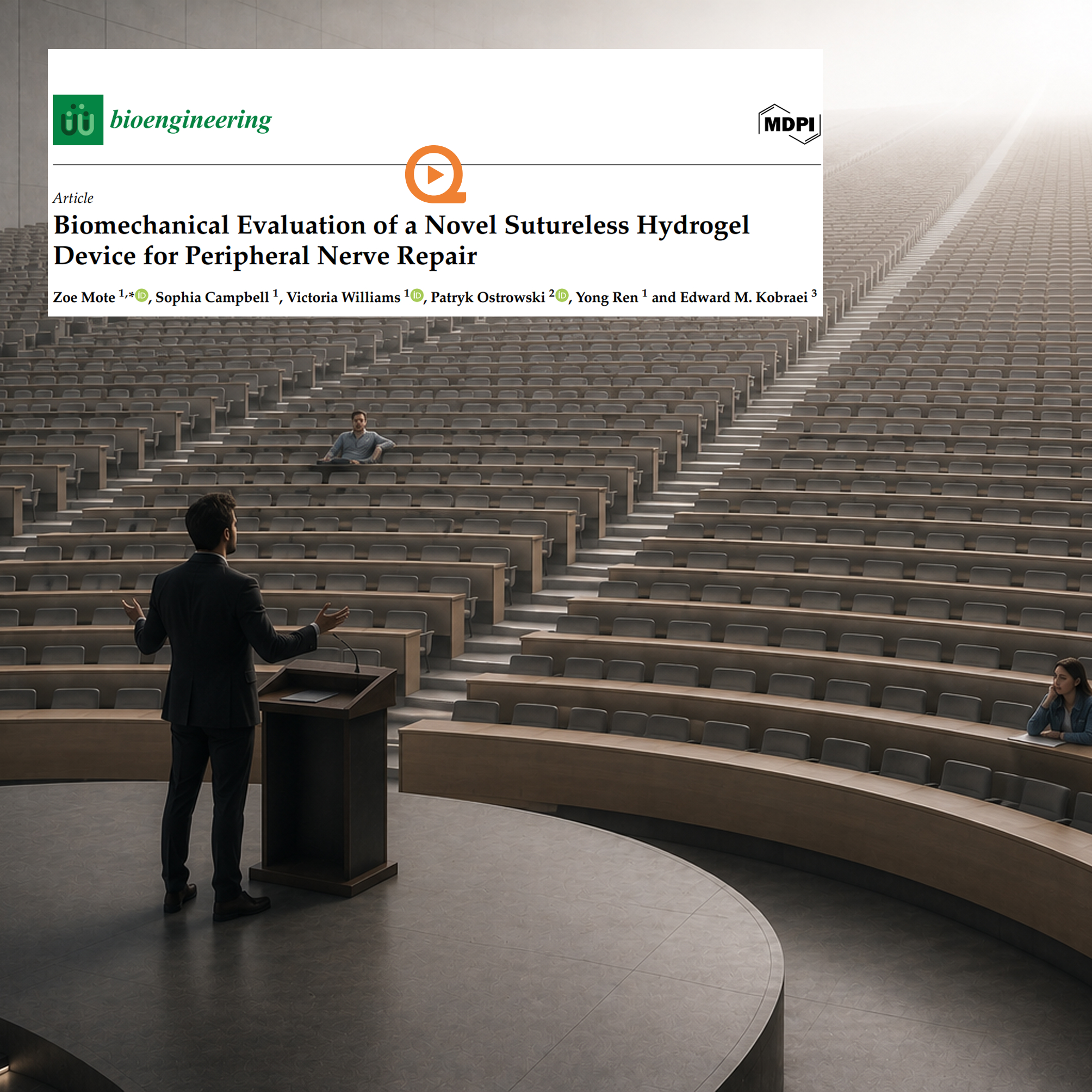
The biggest problem with your published scientific paper: connecting with your audience.
A researcher spends 3 years on a study that could improve surgical outcomes, and finally gets it published. A career milestone! But then it sits in a journal database, read by maybe a dozen people in its lifetime. The audience problem is the dirty secret of academic publishing. Solution? Turn it into a highly engaging Qvio – a 2-way interactive video, that they not only watch, but ask you questions on it and receive your answers.
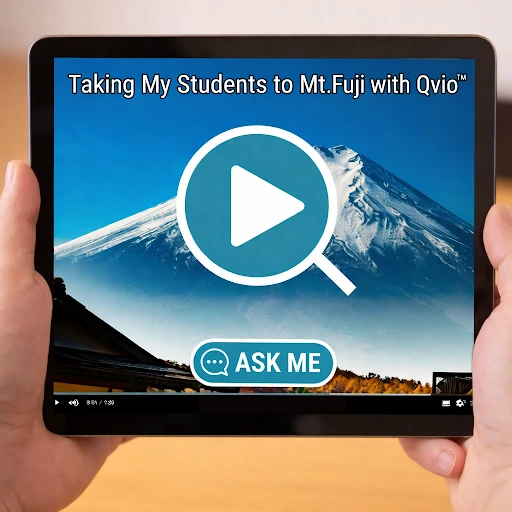
Taking My Students to Mount Fuji with Qvio
An educator used Qvio to transform personal travel footage into an interactive, student-driven learning experience that blends mindfulness, culture, and science. By combining video with author-controlled AI, Qvio enables active learning, trusted answers, and personalized exploration that keeps students engaged.

Can Physician-Controlled AI Provide Relief to Burned-Out Clinicians?
Physician-controlled artificial intelligence can help alleviate clinician burnout by automating routine tasks, improving patient education, and preserving trust through human oversight. AI has the potential to restore balance in healthcare by supporting, not replacing, clinicians while improving care quality and health literacy.

RESPONDING TO THE AMERICAN COLLEGE OF PHYSICIANS AI POLICY PAPER
HIA responds to the American College of Physicians’ AI policy by outlining how physician-controlled, ethically designed AI can support clinicians, improve patient education, and reduce burden without replacing clinical judgment. The article translates ACP recommendations into practical, real-world strategies for deploying safe, transparent, and equitable AI in healthcare.
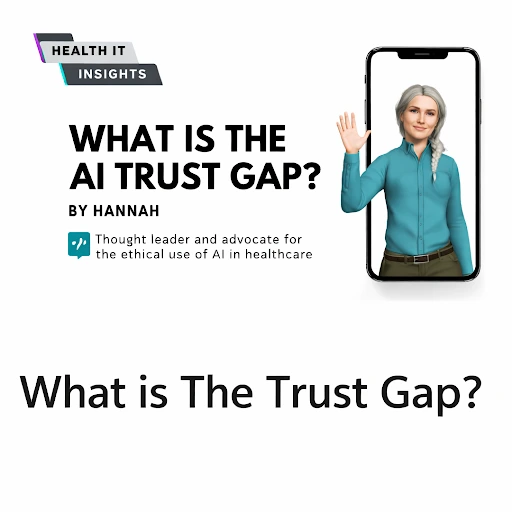
The AI Trust Gap
The growing AI trust gap reflects how rapid AI adoption, particularly in healthcare, is outpacing safeguards, transparency, and oversight. Physician-controlled AI with clear guardrails is essential to ensure safety, accuracy, and ethical use.

Qvio™ Where The Student-Teacher Ratio is Always 1:1
Qvio transforms recorded lectures into interactive, AI-powered learning experiences that recreate a 1:1 student–teacher dynamic. By enabling personalized, author-controlled engagement, it deepens understanding, increases accessibility, and enhances student participation.

The Effects of AI on Health Literacy
Controlled artificial intelligence has the potential to improve health literacy by providing reliable, physician-validated health information that reduces misinformation and increases accessibility. When thoughtfully implemented, controlled AI platforms can empower individuals to make informed health decisions and improve overall public health outcomes.

Moral Injury in Healthcare – Causes and Solutions
Moral injury in healthcare arises when clinicians are unable to deliver care aligned with their values, leading to guilt, burnout, and distress—worsened by systemic pressures and the COVID-19 pandemic. Thoughtfully applied AI can help relieve these burdens by extending patient education and support beyond the clinical encounter, allowing providers to deliver more complete, value-aligned care.